






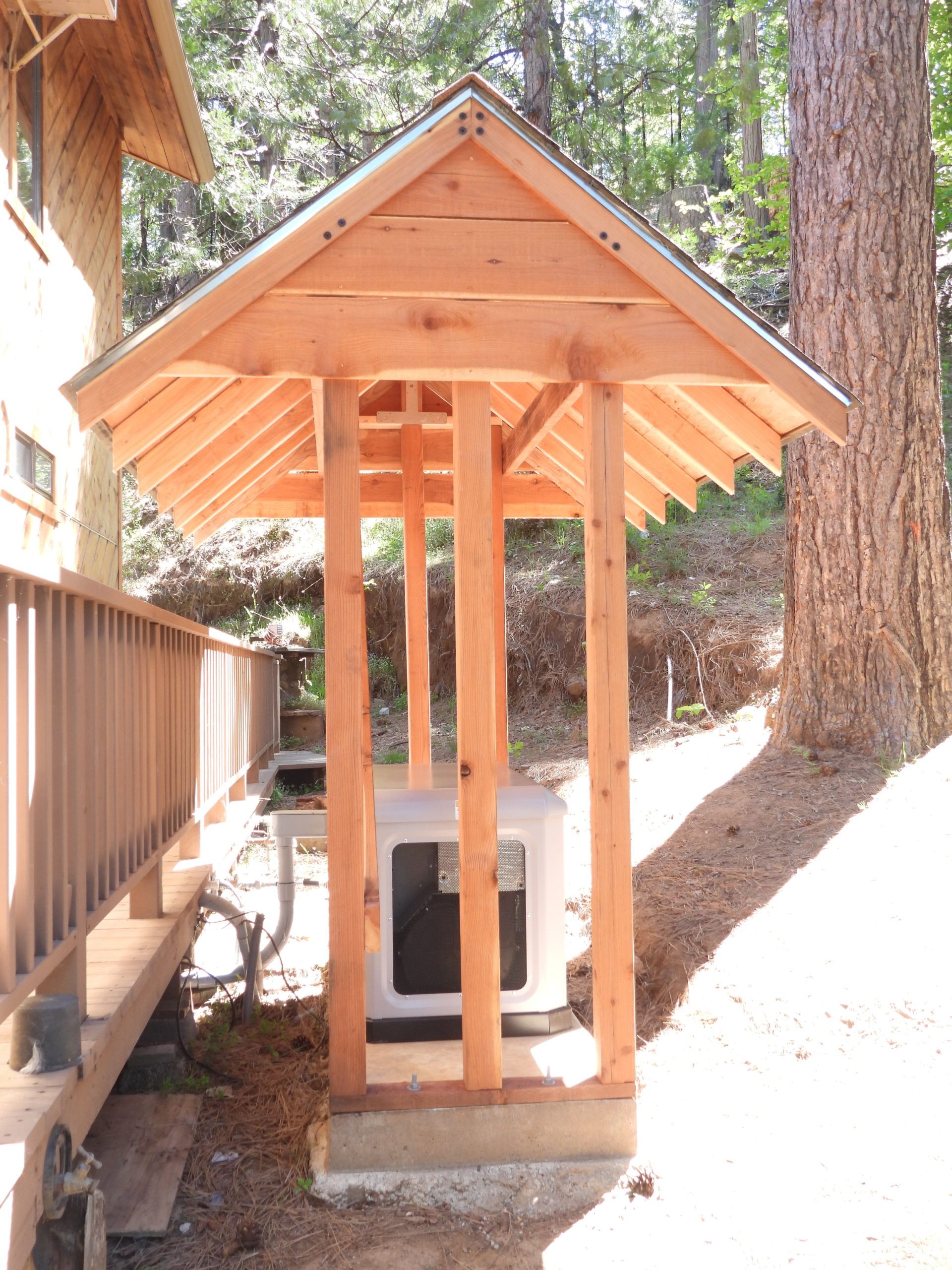
Remote living feels calmer when the electrical setup matches the way a property is actually used. Sol-Ark off-grid systems in CA can connect solar modules, batteries, and generators, giving cabin owners a practical route toward independence from the utility grid. The right design starts with everyday habits, not a box on a wall. Lighting, refrigeration, pumps, tools, internet equipment, and seasonal occupancy all shape what the system must handle.
That is where a thoughtful cabin plan begins.
Start With the Cabin’s Real Energy Needs
Before choosing equipment, list every electrical load and note how long it runs. A refrigerator operates differently from a well pump, while workshop tools may create brief periods of higher demand. This simple inventory helps an installer understand the cabin rather than relying on a generic package.
Next, consider which loads are essential. Food storage, water access, communications, and selected lighting may need priority when available energy is limited. Separating essential and optional loads makes the system easier to manage and gives the designer a clearer basis for selecting compatible components.
Build Around Compatible Energy Sources
The referenced Sol-Ark equipment is intended for off-grid applications and integrates most solar modules, batteries, and generators. That combination matters because each source plays a different role. Solar modules collect energy, batteries hold it for later, and a generator can support the property when conditions or demand require another source.
Integration also reduces guesswork between separate parts. During Sol-Ark inverter installation in California, cabin owners should ask how the proposed modules, battery storage, and generator will work together. They can also request a plain-language explanation of operating priorities, system limits, and what happens when stored energy runs low. Clear answers make daily operation easier to understand.
Plan for Seasonal Cabin Use
A cabin used every weekend has different needs from one occupied for several months. Long vacant periods may call for a plan that keeps only selected equipment operating. Regular stays may require more storage and a closer look at consecutive cloudy days.
Location matters as well. Tree cover, roof orientation, available ground space, and equipment placement can affect the layout. A site visit lets the installer compare the property with the owner’s goals before recommending a configuration.
Make Operation Easy to Follow
An independent electrical setup should not feel mysterious. Owners benefit from knowing how to read system information, recognize a change in performance, and decide when to contact a qualified technician. Written operating guidance can make those tasks less stressful, especially for cabins shared by family members or guests.
Maintenance planning deserves the same attention. The website identifies the provider as a local dealer and installer, an OEM-certified technician for Sol-Ark and other listed manufacturers, and a licensed electrical contractor. It also states that priority services are available with a maintenance contract. Asking about the service arrangement before installation helps set clear expectations for later support.
Choose a System That Fits the Property
Equipment should follow the cabin’s measured needs, use pattern, and available energy sources. Sol-Ark off-grid systems in CA may suit owners who want solar modules, batteries, and a generator integrated for independence from the grid. A careful assessment can clarify whether that approach matches the site without relying on broad assumptions.
Talk Through Your Cabin Plan
Ready to discuss an off-grid setup for a California cabin? Contact SOL Training to review the property, expected loads, component compatibility, installation needs, and available maintenance arrangements. We can help turn the energy inventory into a focused, practical conversation about a system suited to the cabin.
Frequently Asked Questions
1. What should be listed before an off-grid consultation?
Record appliances, pumps, lighting, tools, communication devices, estimated operating times, and seasonal occupancy. Note which loads must remain available and which can be paused.
2. Can the inverter work with several energy components?
According to the product page, Sol-Ark inverters integrate most solar modules, batteries, and generators for an off-grid application. Compatibility should still be confirmed for the proposed equipment.
3. Why does cabin occupancy matter during system planning?
Occupancy affects daily consumption, storage needs, and operating priorities. Explaining whether the cabin is occasional, seasonal, or regularly occupied helps an installer assess a suitable configuration.
Categories: | Tags: